Each year on 25 May, Global Surgery Day gives us an opportunity to reflect on the progress achieved, the challenges ahead, and the responsibility we share to improve access to safe, timely and affordable surgical care worldwide.
Since 2023, it has been my privilege to lead the RCSI Institute of Global Surgery as Chair of Global Surgery. In that time, the Institute has grown in scale, ambition and influence beyond all expectations.
The mission of the Institute remains clear: to work with partners to improve access to high-quality, essential surgical and perioperative care for underserved populations. This is the essence of 'global surgery'. This mission is delivered through education, workforce development, digital learning, research, innovation, advocacy and long-term institutional partnerships.
In 2026, global surgery is operating in a profoundly changed world. Funding for health research, development assistance and humanitarian response has become increasingly constrained. Communities already living with fragile health systems are also facing climate pressures, conflict, displacement, workforce shortages and widening inequities.
These challenges directly affect whether a woman can deliver safely, whether a child can receive urgent surgery, whether a trauma patient survives, and whether hospitals can function when water, power, equipment or trained staff are unavailable.
Strengthening standards
In response, the Institute has adapted, moving from programme delivery alone to a broader institutional strategy focused on scale, quality, resilience and sustainability. Our long-standing collaboration with COSECSA and allied regional colleges is entering a new phase.
The next stage is not only about increasing the surgical workforce, but also about strengthening standards, training quality, accreditation, digital systems and patient outcomes. With 1,183 COSECSA graduates, 153 accredited training sites, and 455 new trainees in 2026, as well as the growing contribution of partner colleges including CANECSA, this collaboration now represents one of the most significant surgical workforce development platforms in the world.
At the same time, SURGhub and our wider e-learning portfolio have demonstrated that RCSI can help deliver high-quality education at global scale. SURGhub now reaches more than 46,000 learners from 195 countries.
Alongside six partner e-learning platforms, pan-African anaesthesia and paediatric surgery programmes, French-language translation initiatives, emergency care resources and new digital education partnerships, we are helping to make world-class training available to learners who would otherwise have limited access.
Resilience for care
Our research portfolio has also expanded in reach and relevance. In Malawi, SURG-Water is addressing safe water access for maternal and newborn care through green technology.
Akazi is strengthening breast cancer care and has supported Malawi’s first national breast cancer care guidelines. KidSURG continues to improve access to rural paediatric surgery through district-level training and a managed clinical network.
New work in Guatemala, Gaza, Sierra Leone, Kenya and Malawi is extending the Institute’s focus to climate resilience, conflict-related surgical infrastructure gaps, health workforce realities, antimicrobial stewardship and point-of-care ultrasound for rural surgical care.
A sense of purpose
Our partnerships now reach across Africa, Europe, Latin America and Asia. Through Erasmus+ collaborations, we are developing new programmes with partners in Albania, Kenya, Colombia, Guatemala, Ecuador and Nepal. These partnerships are not symbolic. They are building educational pathways, research capacity, faculty exchange, digital health collaboration and sustainable models for shared learning.
This growth has been matched by international recognition. Awards for SURGhub, the RCSI/COSECSA Collaboration Programme and the Erasmus-supported global surgery research course reflect the originality, quality and impact of the work undertaken by IGS staff and partners.
These achievements are the result of a committed team whose creativity, discipline and sense of purpose have positioned the Institute as a trusted global voice in surgical systems strengthening.
The next phase must now consolidate this momentum into lasting institutional impact. Six priorities should guide the path forward:
- Access to education must continue to expand through digital platforms, multilingual resources and equitable university partnerships.
- Funding must diversify – philanthropy, public funding, research grants, industry engagement and domestic investment must be aligned around long-term sustainability.
- Innovation must be practical and locally relevant – affordable technologies, simulation, frugal engineering, digital tools and context-adapted devices must be designed for the environments where they are needed most.
- Research must stay close to patients, communities and frontline providers, generating evidence that ministries, hospitals and training bodies can use.
- Our community must work hard to ensure that global surgery becomes a political priority.
- No health system can claim to be universal if it cannot provide safe surgery, safe anaesthesia, safe childbirth and timely emergency care.
Creating a legacy
Global Surgery Day is therefore not only a day of reflection. It is a call to action.
The progress achieved by the RCSI Institute of Global Surgery shows what is possible when long-term partnership, academic excellence and moral purpose come together.
The challenge now is to ensure that this work continues to grow, reaches further, and delivers lasting impact for the communities we serve.
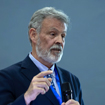 Professor Juan Carlos Puyana is Chair of Global Surgery at RCSI's Institute of Global Surgery.
RCSI is committed to achieving a better and more sustainable future through the UN Sustainable Development Goals.