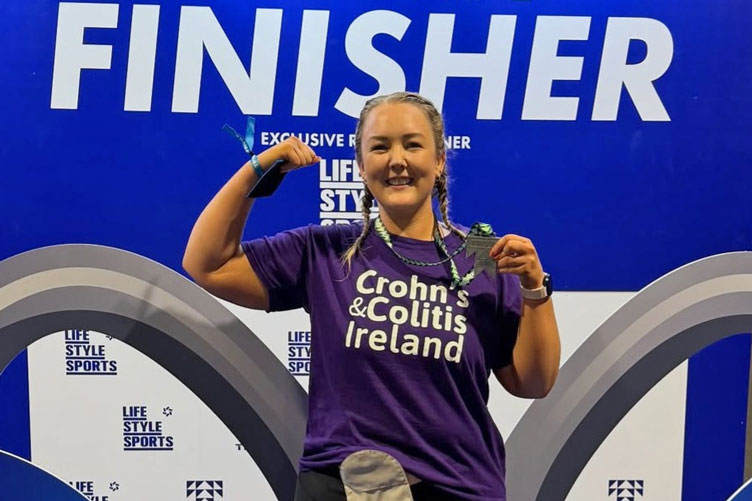
Terri’s story is at the heart of Gut Health and You, an episode of MyHealth RCSI that explores the realities of living with inflammatory bowel disease (IBD), the science behind gut health and the importance of finding the right care.
Six months after she underwent surgery for Crohn’s disease, Terri Brannigan climbed Bray Head with her father. It was a simple outing, but for Terri it marked a turning point. For years, her symptoms were so severe that even crossing a room could mean urgently needing the toilet. Now, despite feeling exhausted after the climb, she had achieved something she once thought impossible.
“I was just so happy,” she recalls.
Ireland has one of the highest IBD rates in Europe, with approximately 40,000 people living with the condition. There is an increasing incidence of IBD in countries undergoing industrialisation and adopting more Westernised lifestyles. Researchers are investigating how genetic susceptibility interacts with environmental factors, including diet and other influences, in the development of these complex conditions.
IBD is not simply a consequence of lifestyle, and its causes are not fully understood. Its growing international burden makes continued research into its underlying mechanisms, diagnosis and treatment increasingly important. IBS presents a different but equally significant public health challenge. Its prevalence and reported patterns vary internationally, with differences across regions highlighting the importance of understanding how factors such as environment, diet, lifestyle and access to healthcare may influence symptoms and diagnosis.
Terri’s experience highlights another challenge: how healthcare can better recognise, diagnose and treat conditions that affect not only the body, but also people’s confidence, relationships and everyday lives.
The long road to diagnosis
Terri’s symptoms began when she was 14. She was diagnosed with Crohn’s disease at 15, after six months of symptoms including vomiting, diarrhoea, abdominal pain and joint problems.
The years that followed brought a difficult search for effective treatment. Some approaches did not work, while others caused further problems. Eventually, surgery and a stoma transformed her quality of life.
Terri named her stoma Lily. Looking back, she is clear about the difference it made: “Lily saved my life.”
Her recovery was about more than physical health. Even as her symptoms improved, anxiety about finding a bathroom remained and she struggled with fluctuating weight and pain. Therapy helped her work through that fear, while the support of her family, partner and friends gave her strength. Terri describes this network as her “village”. It is a reminder that living with a chronic condition can require support well beyond medical treatment alone.
A global health challenge
IBD, which includes Crohn’s disease and ulcerative colitis, can have a profound impact on daily life. Symptoms may be difficult to discuss, and diagnosis can take time. The causes are complex, involving interactions between genetic and environmental factors.
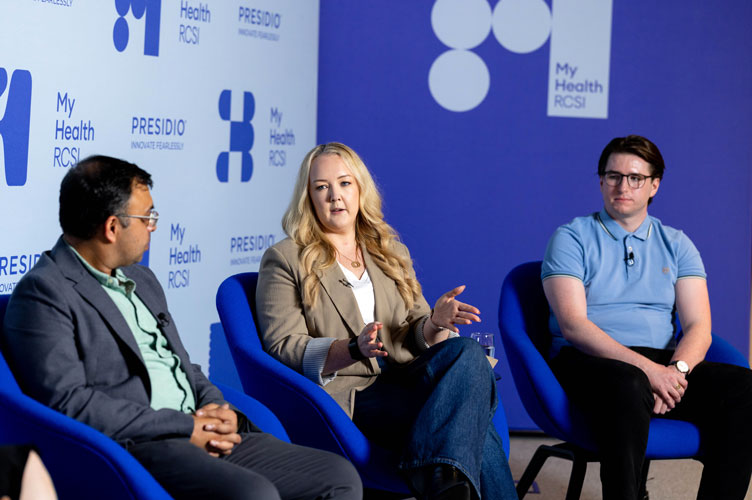
On Gut Health and You, Dr Orlaith Kelly, Clinical Lead for Gastroenterology at Connolly Hospital and an RCSI alumna, discusses the importance of seeking medical advice when symptoms persist. Her message is clear: people should speak to their GP, ask questions and be persistent if they feel something is wrong.
There are effective treatment options for many people living with gut conditions, and an accurate diagnosis can help them access the care they need.
The episode also explores the difference between IBD and irritable bowel syndrome (IBS), conditions that can share some symptoms but are not the same. This distinction matters, particularly when people are trying to make sense of symptoms or navigate advice online.
Diet is another area where confusion can arise. Terri recalls trying fad diets before learning to adapt her food choices to her own needs, with medical guidance. Her experience underlines why there is no single dietary answer for everyone living with a gut condition, and why online health claims should be approached with caution.
Moving towards more personalised care
Research is helping to build a clearer picture of the gut microbiome and its relationship with health and disease. In Gut Health and You, Dr Sudipto Das, Senior Lecturer at RCSI’s School of Pharmacy and Biomolecular Sciences and Vice Dean for AI, Digital and Connected Health, discusses how research and emerging technologies could support more personalised healthcare.
By studying biological markers and combining different sources of health data, researchers hope to improve how conditions are identified and how treatment decisions are made. In the future, this could help clinicians diagnose some conditions earlier and better predict which treatments are most likely to work for individual patients, reducing the burden of unnecessary side effects.
These are important research goals, rather than guarantees of what technology can currently deliver. They reflect an important move towards care that recognises differences between patients and uses evidence to guide decisions.
Terri’s experience shows why this development matters. Finding an effective treatment can improve not only a person’s symptoms, but also their quality of life.
Turning health research into public understanding
Through MyHealth RCSI, the University brings health research and clinical expertise into public conversations. Gut Health and You brings together lived experience and professional insight, allowing audiences to hear both what it is like to live with a condition and how researchers and clinicians are working to improve care.
That exchange is important in an area where symptoms can be difficult to talk about and online information can be overwhelming. Hearing from people like Terri can help others feel less alone, while advice from healthcare professionals can encourage people to seek support and approach health information critically.
The episode aligns with UN Sustainable Development Goal 3: Good Health and Well-being, which aims to promote health and well-being for all. By making evidence and experience accessible, public engagement can help people ask better questions, understand their options and take a more informed role in their care.
For Terri, the message is ultimately about reclaiming life beyond a diagnosis. “You are more than your illness,” she says. “So, you can do more than your illness.”
Her journey is a powerful reminder that better healthcare involves more than treating symptoms. It means listening to patients, supporting them through the emotional - as well as physical - challenges of illness, and continuing research that may lead to earlier diagnosis and more personalised treatment. Ultimately, Terri’s story shows how healthcare can empower people not only to manage illness, but to reclaim their lives and look beyond their diagnosis to what is possible.
MyHealth RCSI is a public engagement initiative that connects people with evidence-based health information through conversations with clinicians, researchers and those with lived experience. By making complex health topics accessible and relatable, it supports greater health literacy and helps people make informed decisions about their health and well-being.
To watch Gut Health and You and explore other episodes in the series, visit the MyHealth RCSI webpage.
RCSI is committed to achieving a better and more sustainable future through the UN Sustainable Development Goals.